

If you or a loved one developed immediate spinal stenosis after a car accident in Katy, Texas, a settlement can provide vital compensation for medical costs, lost income, career changes, lifestyle adjustments, and emotional distress.
Settlement amounts vary widely, depending on injury severity, long-term impact, pre-existing medical conditions, and quality of legal representation. This guide breaks down what spinal stenosis is, how it’s diagnosed, what factors influence your claim, and how to negotiate a fair settlement—plus answers to common questions.
What Is Spinal Stenosis?
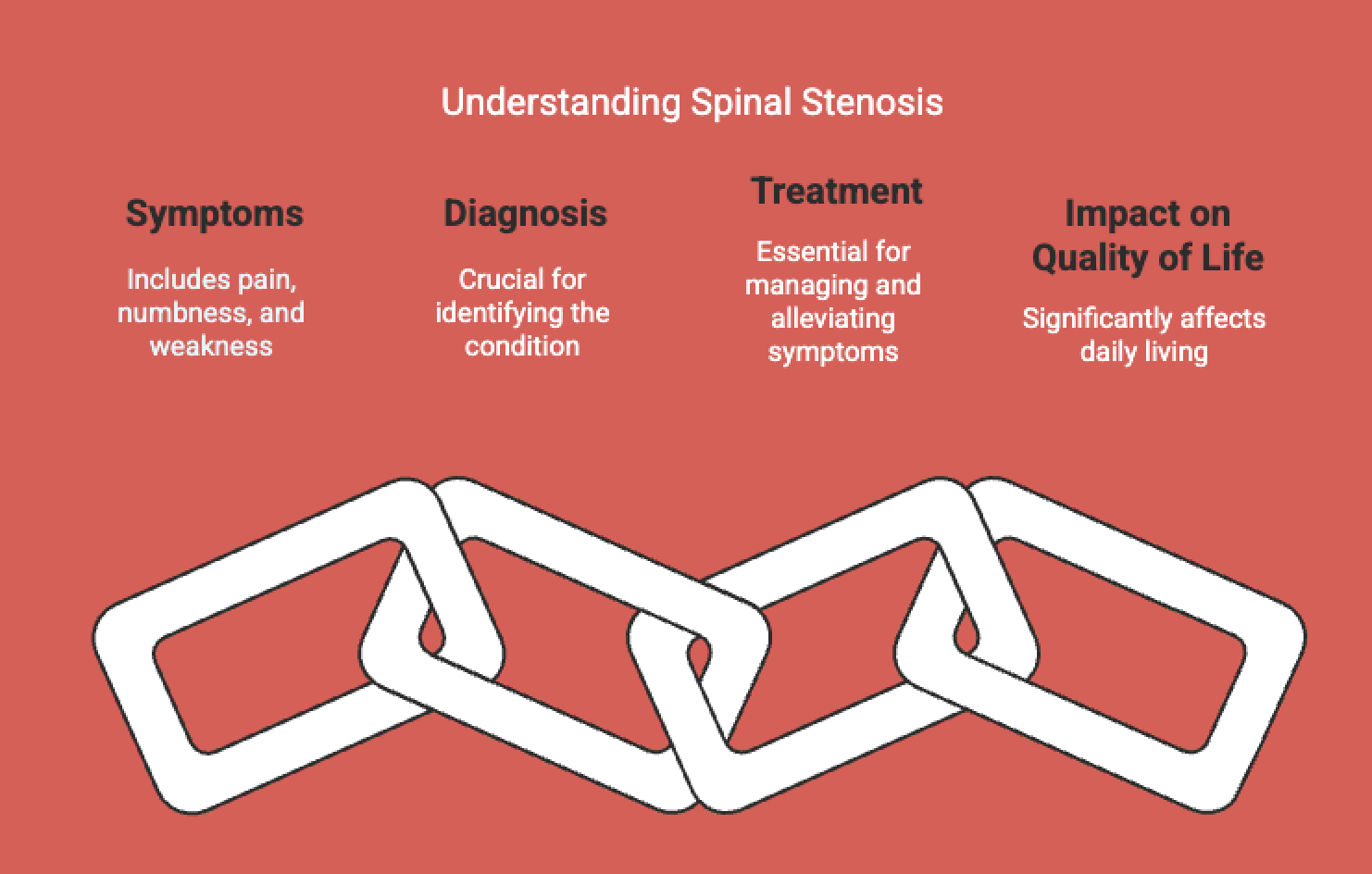 Spinal stenosis is a narrowing of the spinal canal that puts pressure on the spinal cord and surrounding nerves. Though often age-related, it can also result from sudden trauma—like a car accident—leading to long-term pain and mobility issues that may qualify for a personal injury settlement.
Common symptoms include:
- Chronic back or neck pain
- Numbness or tingling in the arms, legs, hands, or feet
- Muscle weakness or difficulty walking
- Loss of balance or coordination
- Pain that worsens with activity and improves when sitting or bending forward
Accident-related causes may involve:
- Herniated discs compressing the spinal canal
- Fractures or dislocations causing spinal misalignment
- Inflammation or swelling from impact injuries
- Scar tissue formation after surgery or trauma
How Is Spinal Stenosis Diagnosed After a Car Accident?
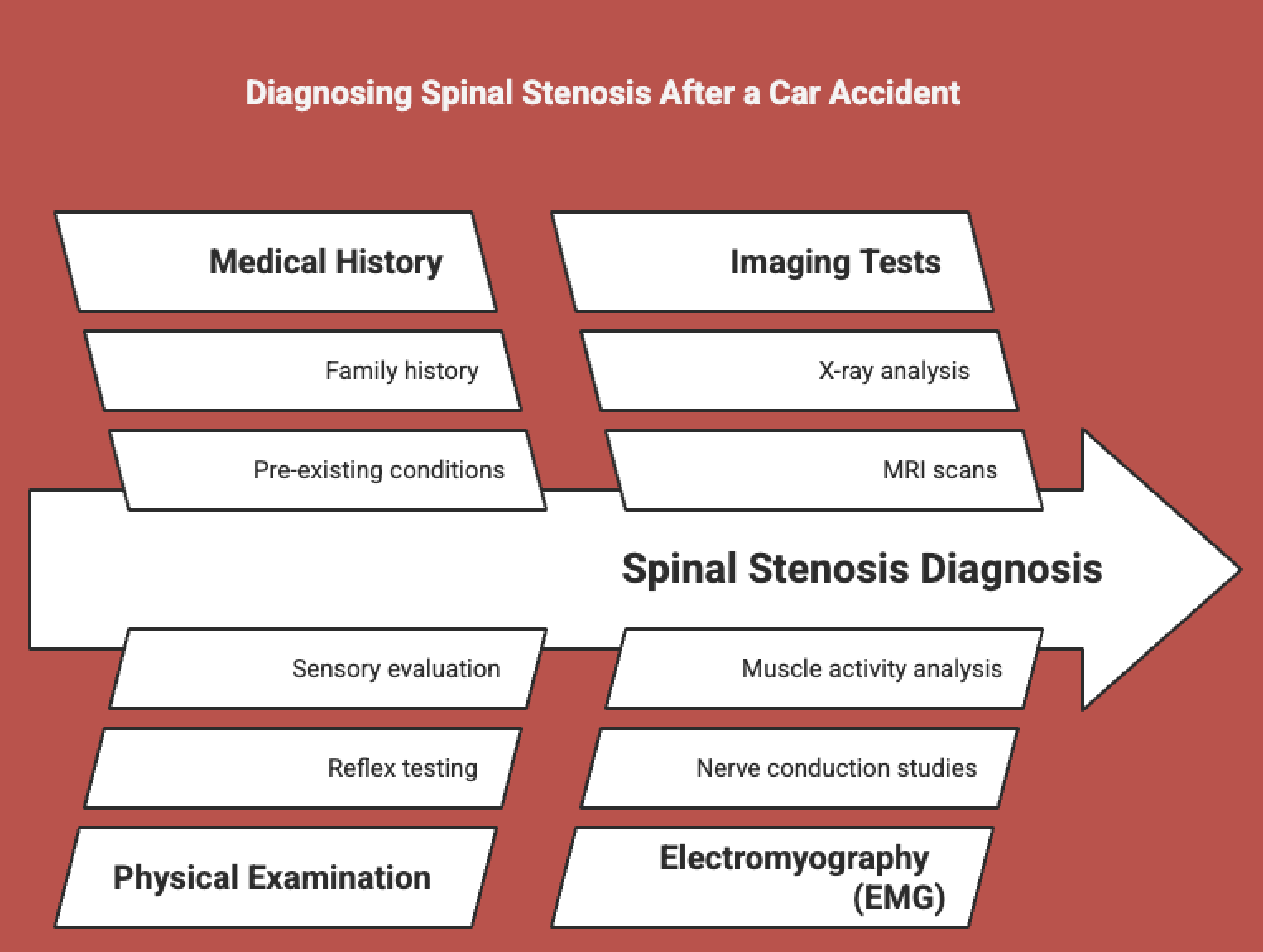 Diagnosing spinal stenosis after a car accident involves a combination of medical history, physical exams, and imaging tests. This process helps doctors assess the extent of the injury and determine if the car accident contributed to the narrowing of the spinal canal. A clear diagnosis is crucial not only for treatment but also for establishing the link between the accident and your condition for a personal injury claim.
1. Medical History Review
Your doctor will begin by reviewing your medical history, including details of the car accident and any prior spinal issues. Understanding the timeline of your symptoms and the impact of the accident helps in determining whether the injury is a result of the crash or a pre-existing condition.
2. Physical Examination
A physical exam will assess your strength, flexibility, reflexes, and range of motion. The doctor will check for signs of nerve compression, such as weakness, numbness, or pain in specific areas. This exam helps identify whether the spinal stenosis is causing physical impairments that affect your daily activities.
3. Imaging Tests
To confirm spinal stenosis and assess the damage, imaging tests are essential. Common tests include:
- X-rays – Used to identify fractures, bone spurs, or misalignments in the spine.
- MRI (Magnetic Resonance Imaging) – The most effective tool for visualizing the spinal canal and nerves, MRIs help detect soft tissue damage, disc herniation, and areas of nerve compression.
- CT Scan (Computed Tomography) – Provides detailed images of bone structures and can help assess complex fractures or injuries to the spine.
- Myelogram – A specialized X-ray with contrast dye that helps pinpoint the location of nerve compression and narrowing in the spinal canal.
4. Electromyography (EMG)
In some cases, your doctor may recommend an EMG to test nerve and muscle function. This helps determine if nerve damage has occurred due to spinal stenosis and can clarify the extent of your injury.
Proper diagnosis is key to establishing the severity of spinal stenosis caused by a car accident and laying the foundation for a successful claim.
What Key Factors Can Raise or Lower Your Spinal Stenosis Car Accident Settlement?
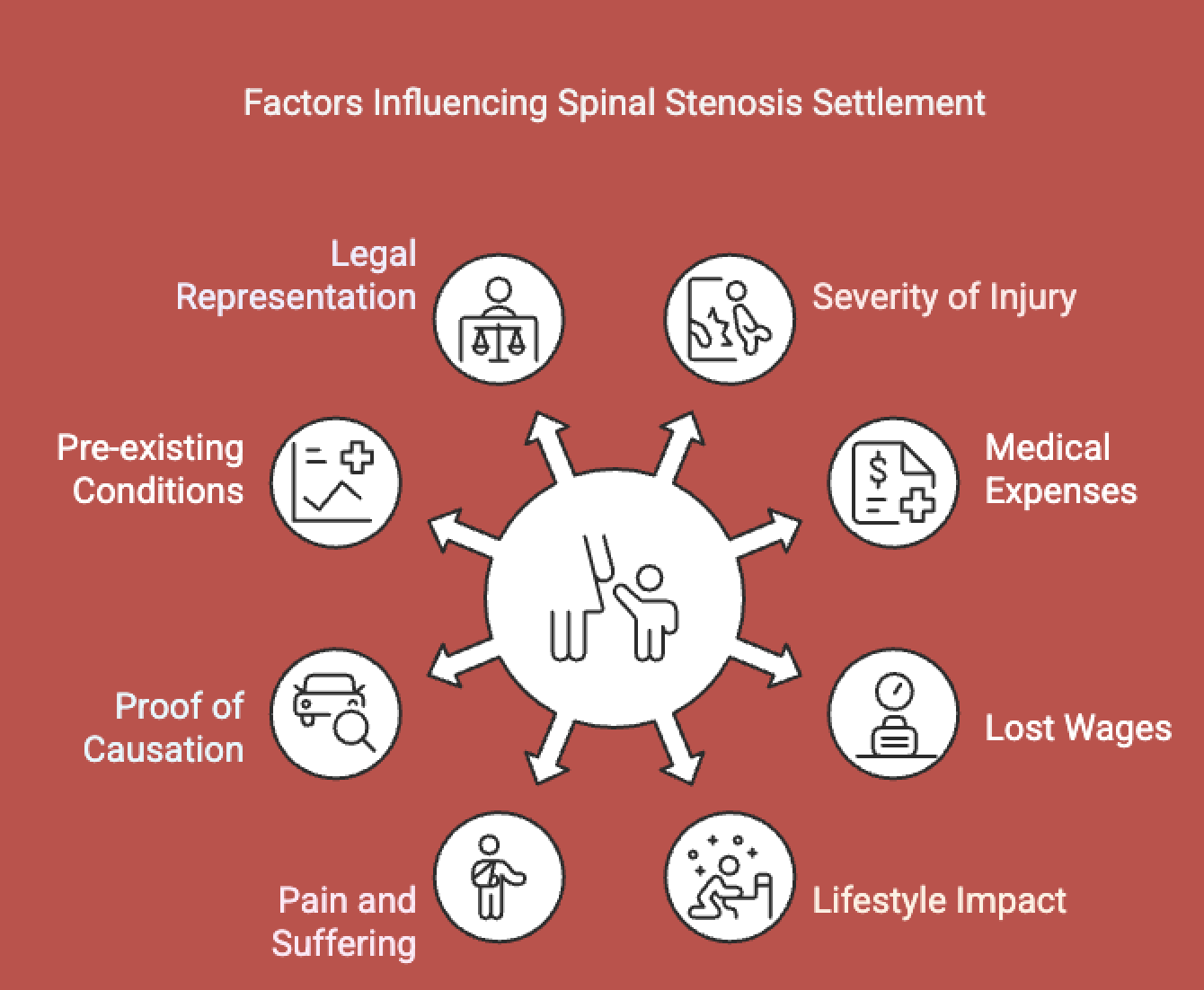 The value of your spinal stenosis settlement after a car accident can fluctuate significantly based on a variety of factors. Insurance companies and legal teams take a comprehensive approach to assess the severity of your injury, its long-term impact on your life, and the financial burdens it creates. Understanding these factors can help you approach your claim with confidence and ensure you’re fairly compensated.
1. Severity of the Injury
The more severe your spinal stenosis, the higher your average settlement potential. Cases involving chronic pain, permanent disability, or the need for major surgeries are often valued higher. If your condition leads to significant limitations in mobility or requires lifelong care that affects your daily life, these factors will increase the settlement amount.
2. Medical Expenses
Medical bills, both past and future, are a critical factor in determining settlement value. This includes costs for surgeries, physical therapy, medications, diagnostic tests, and any other treatments necessary to manage the condition. The more extensive the medical care required, the more compensation you can expect.
3. Lost Wages and Reduced Earning Capacity
If spinal stenosis prevents you from working, or if you can no longer perform tasks as efficiently as before, your lost wages and reduced earning capacity can be factored into the settlement. This includes both current lost income and potential future earnings you might miss due to your injury.
4. Long-Term Impact on Lifestyle
Spinal stenosis can affect your ability to participate in everyday activities, hobbies, and family life. According to Mayo Clinic experts, if your injury forces you to make significant changes to your lifestyle, such as giving up certain physical activities or requiring constant assistance, it will be considered when calculating your settlement.
5. Pain and Suffering
Non-economic damages, such as pain, emotional distress, and a reduced quality of life, also play a significant role in your settlement value. The more debilitating the pain and the more it affects your mental health, the higher the potential payout.
6. Proof of Causation
One of the most crucial factors in your case is proving that the car accident directly caused your spinal stenosis. Strong medical records and documentation, expert testimony, and clear records linking the accident to the injury will support your claim and increase your chances of a favorable settlement, which might lead to any necessary legal action.
7. Pre-existing Conditions
If you had previous spinal issues or injuries, insurance companies might try to argue that your condition is a result of those pre-existing conditions rather than the car accident. While pre-existing conditions don’t necessarily negate your claim, they can impact the final settlement amount. It’s important to have your legal team prove that the accident aggravated or worsened your condition.
8. Legal Representation
A skilled lawyer can greatly impact your settlement. Experienced firms like Titanium Law know how to handle complex spinal stenosis and wrongful death attorney cases, ensuring every detail and cost is covered. With strong legal representation, you’re more likely to secure the full compensation you deserve.
How to Calculate Spinal Stenosis Car Accident Settlement?
Calculating the value of your spinal stenosis car accident settlement involves factoring in both tangible and intangible losses that result from the injury. The goal is to determine how much your condition has cost you financially, physically, and emotionally, and to ensure you are compensated fairly for both current and future impacts.
1. Calculate Economic Damages (Tangible Losses)
Economic damages refer to actual financial losses that can be easily quantified. These include:
| Category | Details | Tip |
|---|---|---|
| Medical Expenses | – Emergency room visits – Doctor consultations – MRI scans and diagnostic tests – Surgeries and hospital stays – Medications and physical therapy – Long-term care or future medical expenses | Gather all receipts and bills for both past and projected future expenses. |
| Lost Wages | – Income lost from missed work due to doctor visits, hospital stays, or recovery – Reduced earning capacity if unable to return to previous work or performance level | Keep a record of missed workdays and consult a vocational expert for long-term impact. |
| Future Loss of Income | – Income you would have earned if the accident hadn’t occurred – Projected loss based on your disability’s severity and career impact | Use expert analysis to estimate career trajectory and future earning potential. |
2. Calculate Non-Economic Damages (Intangible Losses)
Non-Economic Damages
These are subjective losses that affect your quality of life and are harder to measure but still compensable.
- Pain and Suffering: Covers physical pain and emotional strain. Often calculated using a multiplier (1.5–5× medical costs) based on injury severity.
- Emotional Distress: Includes anxiety, depression, or mental health issues resulting from spinal stenosis.
- Loss of Enjoyment of Life: Applies if you can no longer enjoy hobbies or activities you once valued.
3. Consider the Impact of Pre-existing Conditions
Even if you had a pre-existing spinal issue, you can still claim compensation for pain, treatment, and reduced quality of life if the crash aggravated your condition. Your lawyer must show exactly how the accident worsened your spinal stenosis.
4. Legal Representation and Expertise
Hiring an experienced personal injury attorney can greatly impact the settlement calculation process. A skilled lawyer will:
- Help identify all types of damages, including those you may have overlooked.
- Negotiate aggressively with insurance companies to ensure your settlement reflects the true value of your injury.
- Provide expert testimony from medical professionals and economists to support your claim.
5. Comparative Negligence and Liability
In cases where the accident was partially your fault or you share responsibility, including the time of the accident, your settlement amount may be reduced. This is known as comparative negligence, and the extent to which you are at fault will be considered when calculating the final payout. For example, if you are found to be 20% responsible for the accident, your settlement may be reduced by that percentage.
6. Pain and Suffering Multiplier
One common way to calculate non-economic damages is using the “multiplier method,” where your total medical expenses and lost wages are multiplied by a factor that reflects the severity of your injury. The higher the severity, the higher the multiplier, which can range from 1.5 to 5 times the total of economic damages.
How To Strategically Negotiate Your Settlement?
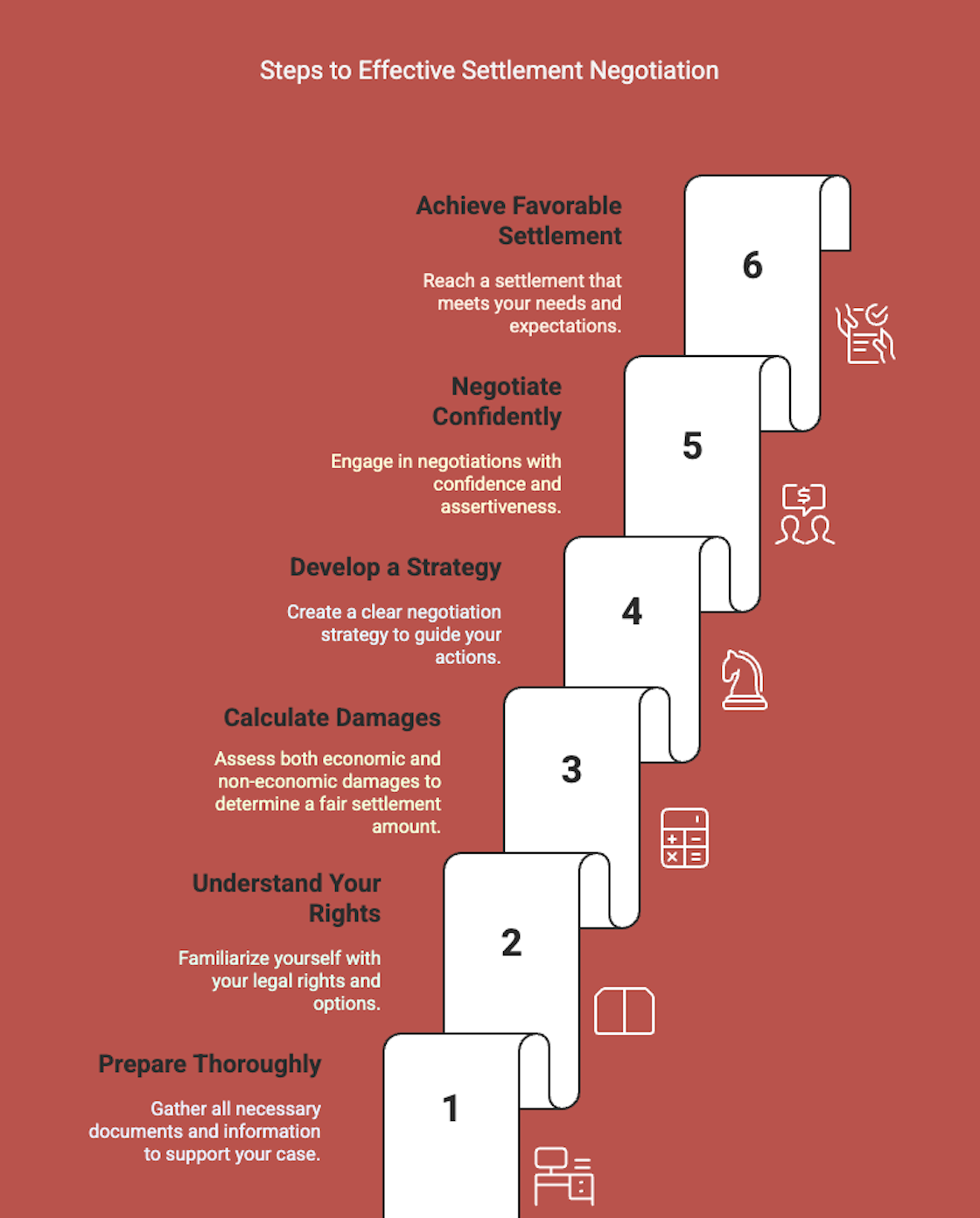 Negotiating a fair settlement requires more than just submitting medical bills—it’s about presenting a strong, well-documented case that clearly connects your spinal stenosis to the car accident and highlights the full impact on your life.
Key Strategies to Negotiate Effectively
- Document everything
Keep detailed records of medical visits, test results, treatment plans, prescriptions, and out-of-pocket expenses. - Establish clear causation
Ensure your doctors explicitly link your spinal stenosis to the accident in their reports to prevent insurers from downplaying your claim. - Calculate both economic and non-economic damages
Go beyond medical bills; factor in pain, emotional suffering, lost earning potential, and lifestyle changes. - Don’t accept the first offer. Initial settlement offers are typically low, so be prepared to counter with solid evidence and a clear valuation of the amount of compensation you’re seeking for your damages.
- Leverage expert testimony
Medical experts, vocational specialists, and life care planners can add credibility and help justify a higher payout. - Anticipate insurer tactics
Insurance companies may argue pre-existing conditions or downplay your symptoms. Your legal team should be ready to refute these claims. - Hire skilled legal representation
Titanium Law specializes in high-stakes injury cases. They handle negotiations with precision and push back hard against lowball offers—ensuring you’re compensated for what you’ve truly lost.
What Legal Moves Can Make or Break Your Spinal Stenosis Settlement?
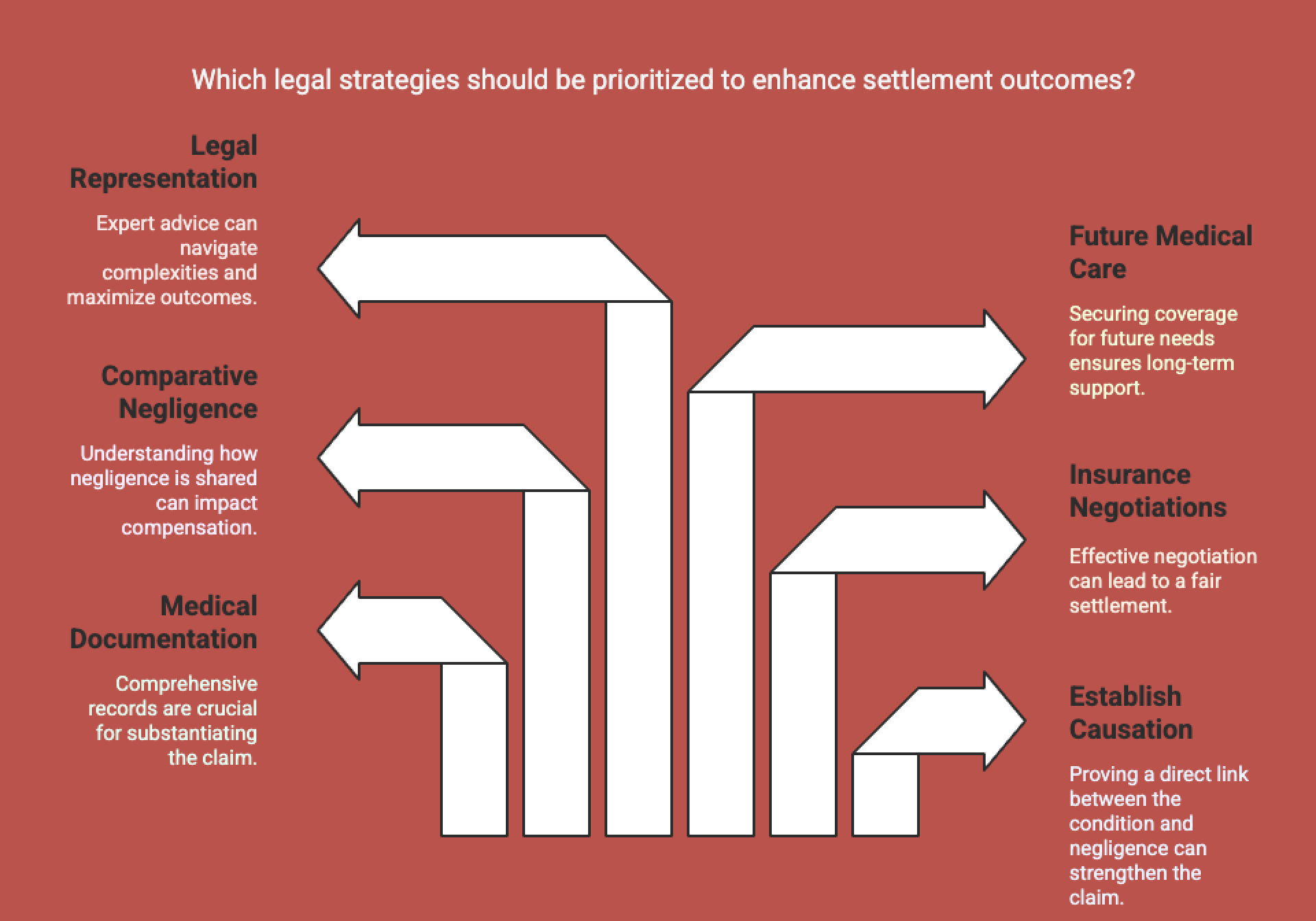 Navigating a spinal stenosis car accident claim requires careful legal strategy. The right actions at the right time can significantly impact your settlement outcome. Here are the key legal factors that can strengthen or weaken your case:
1. Proving Causation and Establishing Liability
To succeed, you must link the car accident to your spinal stenosis. Insurers may argue the injury was pre-existing, so strong medical documentation and expert testimony are essential to demonstrate the injury’s direct connection to the crash.
2. Timely and Thorough Medical Documentation
Prompt medical care and detailed records are vital. Gaps in treatment may allow insurers to downplay the severity of your injury, so keeping thorough documentation strengthens your position.
3. Dealing with Insurance Adjusters
Insurance adjusters often try to settle quickly with low offers. With proper legal representation, your attorney can push back to ensure your injury is valued correctly, accounting for long-term consequences.
4. Understanding Comparative Negligence
If you’re partially at fault, your settlement could be reduced. Understanding your state’s laws on shared fault ensures you aren’t unfairly penalized, and a skilled attorney will help prove the other party holds most of the responsibility.
5. Securing Future Medical Care and Damages
Spinal stenosis may require long-term care. It’s crucial to factor in future medical expenses for surgeries, therapy, and pain management when negotiating your settlement. Experts can help ensure all future costs are covered.
6. Expert Legal Representation
A knowledgeable legal team, like Titanium Law, can maximize your settlement by building a strong case and negotiating with insurers. Their expertise ensures you’re compensated fairly for both economic and non-economic damages.
Titanium Law: Your Trusted Partner in Spinal Stenosis Car Accident Settlements In Katy, Texas
If you’ve suffered spinal stenosis from a car accident in Katy, Texas, Titanium Law is here to help you get the compensation you deserve. Spinal stenosis can cause severe pain, disability, and long-term medical needs, affecting your ability to work and enjoy life. Our experienced attorneys specialize in handling cases like yours, ensuring that you’re fully compensated for your injuries.
Why Choose Titanium Law?
- Expertise in Spinal Injury Cases: We specialize in spinal stenosis and back injuries, working with top medical experts to build a strong case for you.
- Personalized Legal Strategy: We tailor our approach to your unique needs, ensuring the best possible outcome.
- Aggressive Representation: We fight to ensure you receive full compensation, whether through negotiation or litigation.
- Contingency Fee Structure: You don’t pay unless we win, allowing you to focus on recovery without financial stress.
- Compassionate Support: We guide you through the process with care, ensuring you feel informed and supported at every step.
Let Titanium Law help you secure the settlement you need to move forward. Contact us for a free consultation today.
Conclusion
A spinal stenosis car accident settlement can ease financial burdens, but the process can be complex. From understanding the condition to navigating legal and insurance hurdles, it requires careful handling.
Taking proactive steps—like getting a thorough medical evaluation, documenting everything, acting quickly, and hiring experienced legal help—can streamline the process and increase your chances of fair compensation.
Frequently Asked Questions
How long do spinal stenosis car accident settlements typically take?
The timeline for a spinal stenosis settlement can range from several months to over a year, depending on the complexity of your specific case, the negotiation process, and whether or not a lawsuit becomes necessary, especially considering the statute of limitations.
Can spinal stenosis be solely caused by car accidents?
Spinal stenosis can result from trauma, such as the impact of a car accident. However, it can also develop naturally due to aging or genetic factors. Accidents can exacerbate an existing condition, causing immediate symptoms of spinal stenosis.
What are the chances of fully recovering from spinal stenosis post-accident?
Recovery from spinal stenosis varies by individual and depends on injury severity, age, and overall health. Conservative treatment and therapy—ranging from pain management to surgery—can relieve symptoms and improve quality of life.
What details are crucial when discussing your case with a lawyer?
Crucial details include comprehensive documentation of medical treatment and costs, incident accounts, details about lost work hours or earnings, evidence of pain, suffering, and diminished quality of life, as well as any communication record with insurance companies.
How do insurance companies calculate pain and suffering in spinal stenosis cases?
Typically, insurance companies calculate pain and suffering by multiplying the actual tangible costs (like medical bills and lost wages) by a certain number – typically between 1.5 and 5, depending on the severity and long-term effects of the injury.
What is considered a fair settlement amount for spinal stenosis caused by a car accident?
A fair settlement should cover your medical expenses, future treatment costs, lost wages, and non-economic damages like pain, suffering, and diminished quality of life. However, the specific amount varies significantly based on the individual case’s merits and negotiation outcomes.