

If you’ve recently been involved in a single-car accident, you’re likely feeling overwhelmed, uncertain about what steps to take, and worried about whether your insurance will cover the damages. Many drivers in this situation struggle with questions about fault, proper documentation, and how to avoid common pitfalls that could lead to a denied claim or insufficient compensation.
This blog is here to guide you through every step of filing a single-car accident insurance claim. You’ll learn exactly what to do immediately after the accident, how to gather the right evidence, and how to navigate the claims process with your insurer. We’ll also address common reasons claims get denied and share expert tips to help you maximize your settlement, so you can move forward with confidence and peace of mind.
What is a Single Car Accident Insurance Claim?
A single car accident insurance claim is a request for compensation after an accident involving only one vehicle. These accidents occur when a car collides with a stationary object or veers off the road. They can also happen due to external factors like bad weather or road hazards.
The way insurance covers a single-car accident depends on the cause:
- Collision coverage: It applies if the driver’s error led to the car crash, such as losing control or misjudging a turn.
- Comprehensive coverage: It applies if uncontrollable factors caused the damage, like hitting a wild animal or sudden road debris.
Understanding how insurance evaluates these claims is essential in determining coverage and compensation. Knowing the right steps in the car accident settlement process can help secure the best outcome.
What are the Immediate Actions to Take After a Single Car Accident?
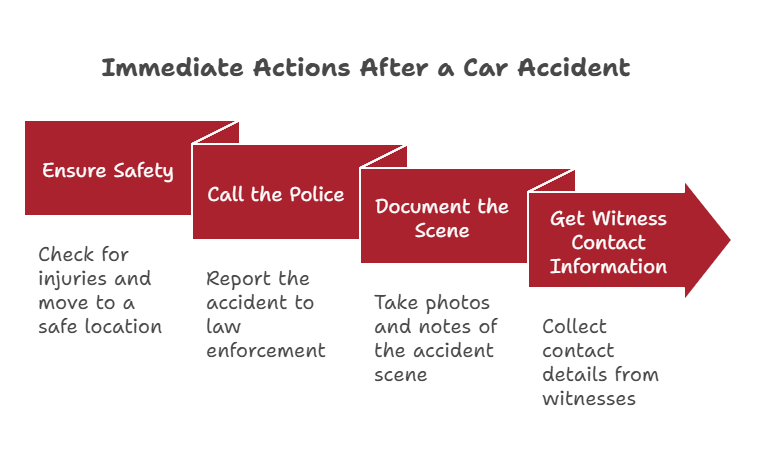
Being involved in a single car accident can be stressful, but taking the right steps immediately can protect your safety and improve your chances of a successful insurance claim.
1. Ensure Safety
Check yourself and any passengers for injuries, and seek medical attention if necessary. Move to a safe location if possible, especially if your vehicle is obstructing traffic or in a hazardous position. Turn on hazard lights to warn other drivers.
2. Call the Police
Reporting the accident is essential, even if no other vehicles were involved. A police report provides an official record that can support your insurance claim and establish liability. Follow the officer’s instructions and request a copy of the report for your records.
3. Document the Scene
Take photos of the vehicle damage, the scene of an accident, road conditions, skid marks, signs, and the surrounding environment. If poor weather contributed to the accident, make sure to capture it as well. Note the time and location, including street names and intersections.
4. Get Witness Contact Information
If any pedestrians or nearby drivers saw the accident, ask for their contact details. Witness statements can help provide an unbiased account of the event, especially if external factors played a role.
How to File a Single Car Accident Insurance Claim?
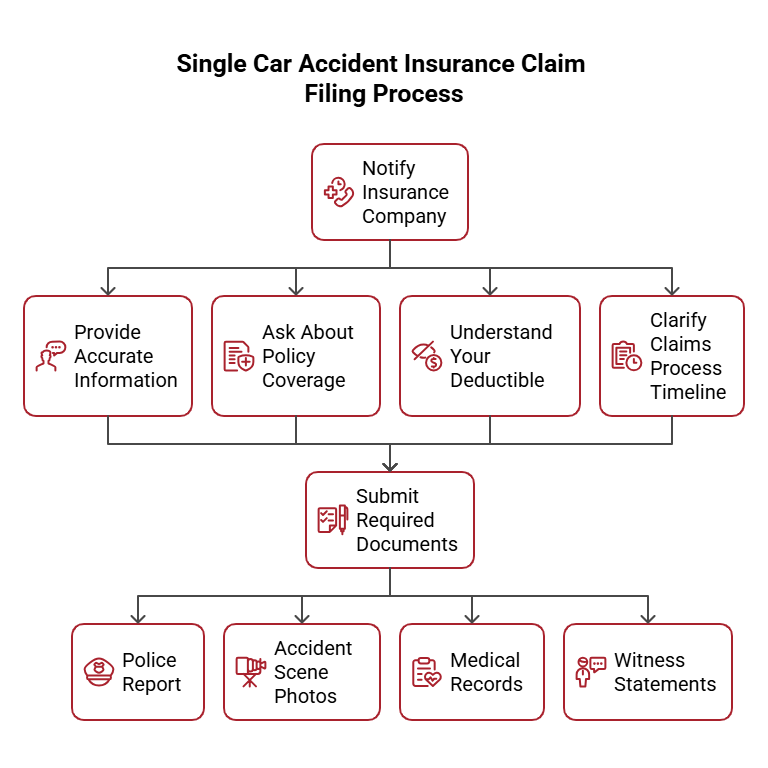
Filing a single car accident insurance claim requires attention to detail and prompt action. Taking the right steps ensures a smoother claims process and improves your chances of receiving fair compensation.
1. Notify Your Insurance Company
After a single-car accident, report your car accident to your insurance company as soon as possible. Delayed reporting can result in complications or even claim denial. Here’s what to keep in mind:
- Provide accurate information: Give information about the accident, including the time, location, and cause, but avoid admitting fault. Let the insurer assess liability.
- Ask about your policy coverage: Ask specifically whether your collision or comprehensive insurance applies to your situation. Some policies may exclude certain damages, such as those caused by reckless driving or DUI incidents.
- Understand your deductible: The Deductible is the amount you’ll need to pay before the insurance covers the remaining costs.
- Clarify the claims process timeline: This includes how long it typically takes for approval and payout.
2. Submit Required Documents
Proper documentation strengthens your claim and provides evidence to support your case. Make sure to gather the following:
- Police Report: An official report adds credibility to your claim and serves as evidence in disputes. Insurance companies often rely on this document to determine fault.
- Accident Scene Photos: Take clear pictures of the damage to your vehicle and the surrounding area. Be sure to include road conditions and any contributing environmental factors, such as poor visibility or debris.
- Medical Records (if applicable): If you sustained serious injuries, keep medical bills, reports, and receipts related to treatment. These documents help claim compensation for medical expenses.
- Witness Statements: If anyone saw the accident, get their contact information and ask for a brief written statement. Witnesses provide an unbiased perspective that may be helpful if liability is questioned.
Want to know how long the entire process might take? Read: How Long Does a Car Accident Settlement Take?
Are You Always at Fault in a Single-Car Accident?
Many believe that single-car accidents automatically place full blame on the driver, but that’s not always the case. In Katy, Texas, liability depends on several factors, including weather conditions, vehicle defects, and third-party involvement. Texas also follows a comparative negligence rule, meaning accident victims can still recover damages even if partially at fault.
When Can External Factors Affect Fault?
In some cases, the driver may not be entirely responsible for the accident. Situations where other parties might share liability include:
- Weather conditions: Poor visibility, heavy rain, or icy roads can make driving hazardous, and insurers may consider external factors.
- Mechanical failure: If a defective part, such as faulty brakes or a tire blowout, contributed to the accident, the manufacturer or mechanic may be liable.
- Third-party involvement: If another driver’s reckless actions forced you off the road, such as sudden lane changes or failing to yield, they may share responsibility.
- Road hazards and poor maintenance: If an accident was caused by potholes, debris, or missing road signs, local authorities or property owners could be responsible.
How Does Texas’ Comparative Negligence Rule Affect Compensation?
Texas follows a comparative negligence rule, which allows accident victims to seek compensation even if they were partially at fault. However:
- If you are found less than 51% at fault, you can still recover damages, but the amount will be reduced based on your level of responsibility.
- If you are more than 51% at fault, you may not be eligible for compensation under Texas law.
Was the accident not your fault? Learn what to do next in: What To Do After a Car Accident in Katy, TX That’s Not Your Fault?
What are the Common Reasons Insurance Claims Get Denied?
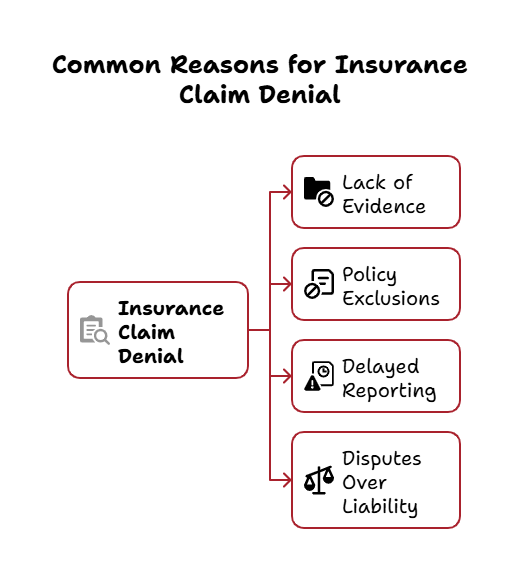
Insurance companies carefully evaluate single-car accident claims before approving them. Many claims get rejected due to preventable errors or policy limitations. Below are the most common reasons why insurers may deny a claim:
1. Lack of Evidence
Without sufficient proof of the accident’s circumstances, insurers may assume negligence or deny coverage. Essential documentation includes accident scene photos, a police report, medical records (if applicable), and witness statements. Missing any of these could weaken your claim and result in rejection.
2. Policy Exclusions
Some insurance policies have restrictions on coverage. If the accident resulted from reckless driving, speeding, or driving under the influence, your insurer may refuse to pay for damages. Additionally, claims involving unauthorized vehicle use or modifications that affect safety may fall outside the policy’s coverage.
3. Delayed Reporting
Insurance companies typically require prompt notification of accidents. If a claim is filed too late, the insurer might argue that essential details have been lost, making it difficult to verify the incident. A delayed accident report can also raise concerns about fraud or whether the damage occurred under different circumstances.
4. Disputes Over Liability
If the insurance company believes the accident was preventable or the driver was at fault, they may challenge the claim. Factors like poor road conditions or mechanical failures may complicate liability, making the insurer hesitant to approve compensation without further evidence.
How to Maximize Your Single Car Accident Insurance Claim?
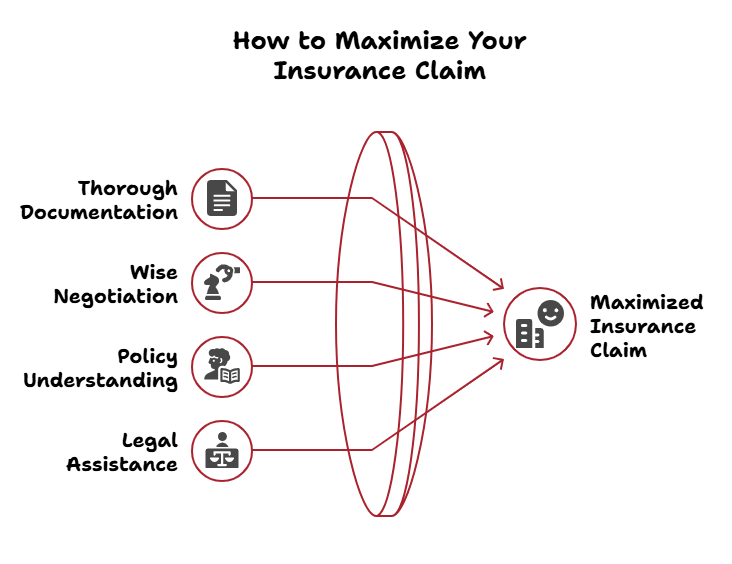
Insurance companies often attempt to minimize payouts, but there are several ways to increase your settlement and ensure fair compensation. Follow these strategies to strengthen your claim:
1. Be thorough with documentation
Having strong evidence is crucial when filing a claim. Take clear photos of the accident site, vehicle damage, road conditions, and any environmental factors that may have contributed to the incident. A thorough documentation of police reports and medical records (if applicable) can provide essential proof of damages and injuries. Witness statements, if available, can add credibility to your account of the accident.
2. Negotiate wisely
Insurers often make low initial offers, hoping claimants will accept without question. Carefully review the settlement offer and compare it to the actual cost of vehicle repairs, medical expenses, and other damages. If the amount seems insufficient, request a reassessment and provide additional supporting evidence to justify a higher payout. A well-prepared counteroffer can help you get closer to the compensation you deserve.
3. Understand your policy coverage
Knowing whether collision or comprehensive insurance applies to your accident is essential. Some policies have restrictions or exclusions that could affect your payout. Checking the terms of your coverage beforehand helps avoid disputes and ensures you receive all eligible compensation.
4. Seek legal assistance if needed
If your insurer denies your claim unfairly, offers a settlement lower than expected, or if your car accident settlement is taking too long, consulting an experienced car accident attorney can help. Working with an experienced personal injury law firm in Katy, like Titanium Law, can be invaluable in handling complex claims, disputed liability, and securing the compensation you deserve, especially when severe injuries or extensive vehicle damage are involved.
Thinking of handling it on your own? Read How to Settle a Car Accident Claim Without a Lawyer before you decide.
Why Choose Titanium Law for Your Single Car Accident Insurance Claim?
Navigating a single car accident insurance claim can be stressful and confusing. At Titanium Law, we’re here to make the process easier for you. Our experienced team in Katy, Texas, is dedicated to fighting for your rights and ensuring you receive the fair compensation you deserve.
We handle every aspect of your insurance claim, from paperwork to negotiations, so you can focus on your recovery. You pay nothing unless we win your case. With Titanium Law, you get responsive support, clear communication, and a relentless commitment to your best outcome.
Take the first step toward peace of mind. Contact us today for a free consultation, and let’s start working on your claim.
Final Thoughts
Understanding the common causes of single-car accidents and how fault is determined is crucial for a successful claim. In such situations, drivers are often assumed at fault, but factors like hazardous roads or mechanical failures can shift liability. Consulting a legal professional is a good idea, especially when liability is unclear. Staying informed about state traffic laws helps protect your rights and ensures informed decisions after an accident. Taking proactive steps and knowing when to seek help can improve your chances of securing fair compensation.
Frequently Asked Questions
What qualifies as a single-car accident?
A single-car accident involves one vehicle and can occur due to collisions with stationary objects, road hazards, bad weather, or mechanical failure. While insurers often assume driver fault, external factors may also contribute, making fault determination essential for a successful claim.
Will my insurance rates increase after a single car accident claim?
Filing an insurance claim for a single vehicle accident can lead to higher premiums when your policy is renewed, especially if the insurer determines you were at fault. Insurance companies often adjust rates based on claim history, so it’s wise to compare quotes from multiple providers. This helps you find the most competitive coverage and avoid unnecessary increases in your car insurance costs.
What if poor road conditions caused my accident?
If the cause of the accident was hazardous road conditions, liability may fall on the property owner or the government agency responsible for maintaining the roadway. Filing a personal injury lawsuit not only helps protect your legal rights but also enables you to seek compensation for damages, including medical payments, property damage, vehicle repairs, and other losses resulting from the accident.
Should I consult an attorney after a single car accident?
Consulting a car accident lawyer promptly after a single vehicle crash is essential to protecting your legal rights and securing fair compensation. A trusted firm in Katy, Texas, like Titanium Law, specializes in handling auto accident cases and provides expert guidance to help you navigate insurance claims, gather crucial evidence, and negotiate the best possible settlement. Their experience ensures you receive the financial recovery you deserve.
What if my car was damaged by road debris?
If your car was damaged by road debris, comprehensive insurance may cover the repairs. This type of coverage typically applies to non-collision incidents, such as falling objects, weather-related damage, or unexpected hazards like debris on the road. Checking your policy details can help determine if your insurer will cover the costs.