

Car accidents can be life-changing, often leaving you with broken bones, mounting medical bills, lost wages, and ongoing pain. In these situations, one question comes up: How much compensation is the average settlement for a broken bone in a car accident?
In Katy, Texas, the compensation for broken bones typically ranges from $35,000 to $125,000. However, the final settlement amount can vary based on several factors. In this blog, we’ll break down these factors and share the average settlement figures for broken bone injuries.
Let’s Get The Basics Of Bone Injuries Right First!
In Katy, Taxes, reaching a fair settlement for broken bone injuries in car accidents involves understanding the basics of how these settlements are calculated. Compensation amounts take into account the severity of the injury, economic damages like medical costs and lost wages, and non-economic damages such as physical pain and emotional distress. Additionally, the type of fracture significantly influences the settlement value. Let’s delve deeper into specific bone injuries and how they impact settlement amounts.
Types of Bone Injuries Commonly Sustained in Car Crashes
 Car accidents often cause bone injuries from the force of impact, sudden body movements, or hitting parts of the vehicle. These can range from minor fractures to severe breaks—each affecting treatment needs and long-term recovery outcomes. Here are some of the most common types of bone injuries sustained in car accidents:
- Fractured Ribs: Often caused by impact with the steering wheel, seatbelt, or airbag.
- Clavicle (Collarbone) Fractures: Common in frontal impacts or when the shoulder absorbs the crash force.
- Broken Arms and Wrists: Typically happen when the victim braces for impact, putting their hands out in front of them.
- Leg and Knee Fractures: Result from the force of the collision, particularly in frontal or side impacts.
- Pelvic Fractures: Can be life-threatening and lead to internal organ damage in high-impact crashes.
- Spine and Vertebral Fractures: Severe injuries that can lead to paralysis or chronic pain.
- Facial Bone Fractures: Often caused by airbag deployment or hitting the windshield.
- Hand and Finger Fractures: Result from gripping the steering wheel or other parts of the car during the crash.
The type of bone injury sustained significantly impacts the average settlement figures, primarily due to its influence on medical expenses and potential long-term effects on the victim’s lifestyle.
How Severity and Type of Fracture Impact Settlement Values?
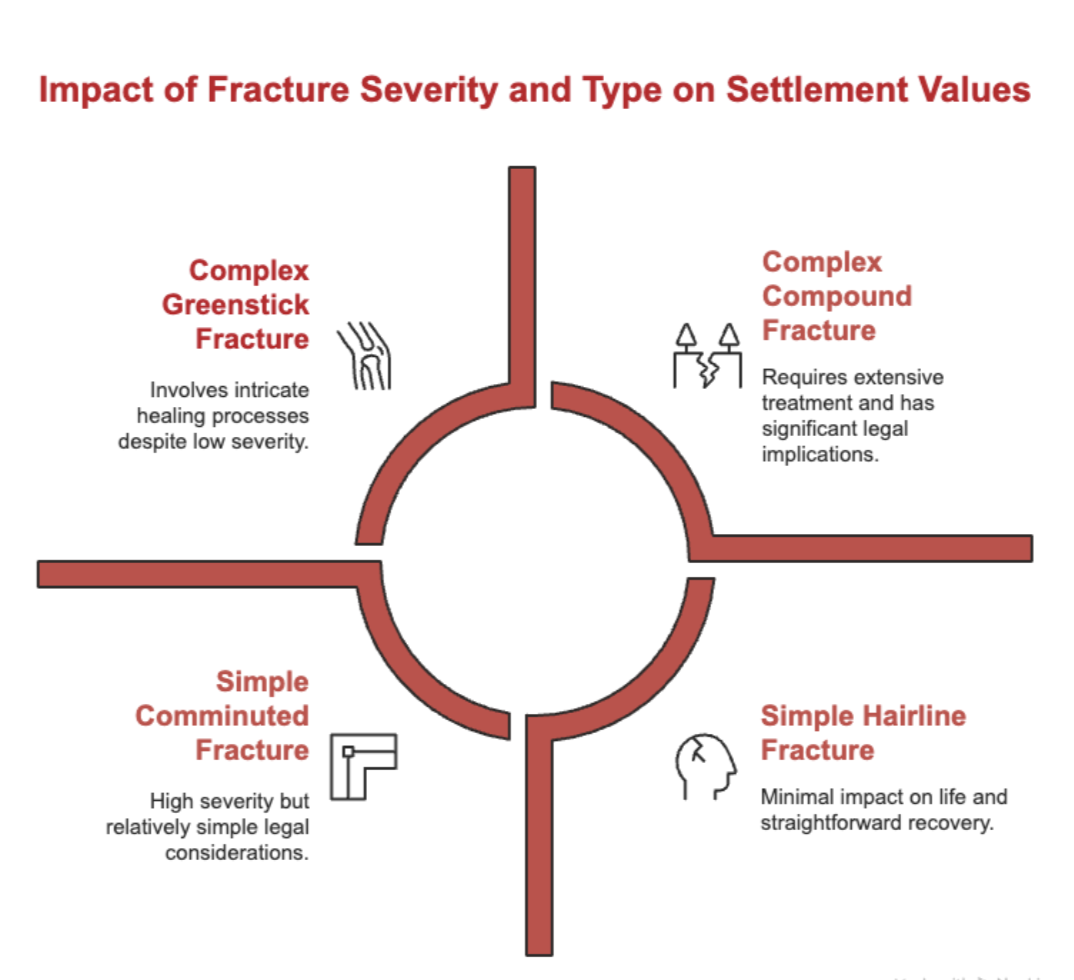
The severity and type of fracture sustained in a car accident directly impact the settlement value of a personal injury claim. More serious fractures, requiring extensive treatment or causing long-term effects, typically result in higher compensation. Understanding how these factors influence your case can help ensure you receive a fair car accident settlement. Here’s a table with everything you need to know.
| Fracture Type | Severity | Common Impacts | Typical Settlement Range (USD) |
|---|
| Simple (Closed) Fracture | Mild to Moderate | Clean break, minimal soft tissue damage, quick recovery | $5,000 – $25,000 |
| Compound (Open) Fracture | Severe | Bone pierces the skin, risk of infection, longer healing time | $50,000 – $150,000+ |
| Comminuted Fracture | Severe | Bone shatters into multiple pieces, often requires surgery | $75,000 – $200,000+ |
| Greenstick Fracture | Mild | Common in children, partial break, generally heals well | $2,000 – $10,000 |
| Spiral Fracture | Moderate to Severe | Twisting force, may suggest abuse or severe accident | $25,000 – $100,000+ |
| Compression Fracture (Spine) | Moderate to Severe | Can affect mobility, chronic pain, often in elderly victims | $50,000 – $250,000+ |
| Hairline (Stress) Fracture | Mild | Small crack, overuse injury, short recovery period | $2,000 – $15,000 |
| Displaced Fracture | Moderate to Severe | Bone out of alignment, often needs surgery and longer rehab | $50,000 – $175,000 |
| Pelvic or Hip Fracture | Severe | High-impact injury, usually requires surgery, long-term mobility issues | $100,000 – $500,000+ |
| Skull Fracture | Severe to Catastrophic | May involve brain injury, cognitive damage, long-term care | $250,000 – $1,000,000+ |
Broken Bones After an Accident: Key Factors That Impact Your Settlement
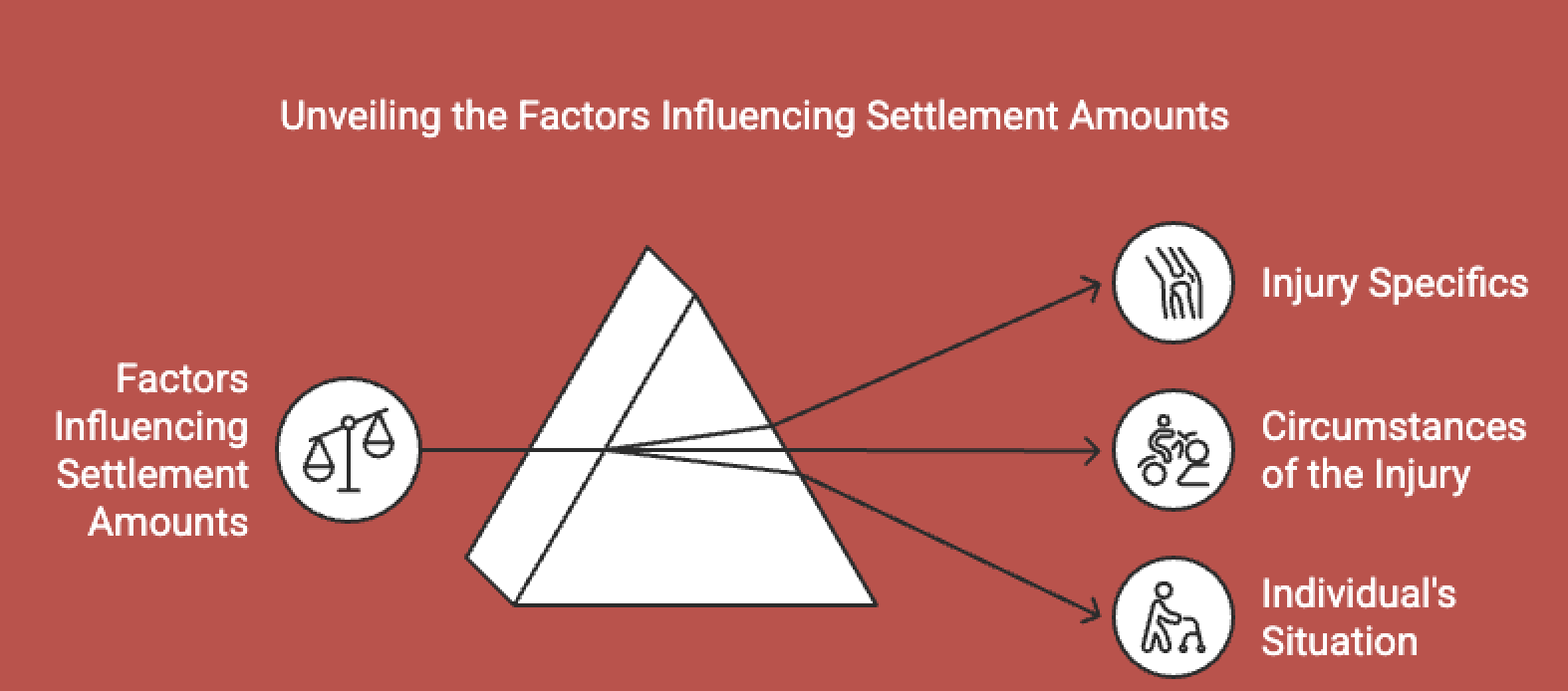 Insurance companies and attorneys assess the full impact of the injury—not just the medical costs—to determine a fair payout. These are the main elements that can raise or lower the final settlement:
1. Type and Severity of the Fracture
More complex fractures like comminuted (shattered bone) or displaced (misaligned bone) typically result in higher settlements due to their severity and the intensive treatment required. These injuries often need surgery, extended rehab, and carry a risk of long-term complications such as chronic pain or reduced mobility. Settlements also factor in higher medical costs, lost income, and diminished quality of life, making them significantly larger than for simple fractures.
2. Medical Expenses
The total cost of medical treatment—covering surgeries, hospital stays, medications, diagnostics, and physical therapy—directly affects the settlement amount. Higher medical expenses typically signal a more severe injury, justifying greater compensation to cover both current and anticipated future care, along with associated losses like missed work and reduced earning capacity.
3. Lost Wages and Future Earning Capacity
Compensation for lost income during recovery—and potential future earnings if the injury limits the ability to work—is a key factor in settlement calculations. This includes wages missed while healing, diminished capacity to perform one’s job, and long-term impacts on career prospects or earning potential.
4. Pain and Suffering
Non-economic damages—such as pain and suffering, emotional distress, and loss of enjoyment of life—are also factored into the settlement, especially when the injury leads to chronic discomfort, mental health struggles, or lasting lifestyle limitations.
5. Liability and Fault
The degree of fault—determined through evidence like witness statements, police reports, or video footage—can greatly influence the settlement, with clear liability typically leading to higher compensation and shared fault potentially reducing the award based on comparative negligence laws. In cases where the injured party is found partially at fault, their settlement may be reduced proportionally, but in jurisdictions with no-fault insurance, fault may not directly impact compensation for medical expenses or lost wages.
6. Insurance Coverage
The at-fault party’s insurance policy limits can affect the maximum settlement amount; higher coverage typically allows for greater compensation, as the insurer will be able to cover more of the damages. However, if the policy limits are low, the injured party may need to pursue additional avenues, such as personal assets or underinsured motorist coverage, to secure full compensation.
7. Legal Representation
Experienced personal injury attorneys play a crucial role in negotiating settlements by ensuring all damages—medical costs, lost wages, pain and suffering—are thoroughly accounted for. Their expertise in handling complex cases can often lead to a higher settlement, as they understand how to maximize compensation and navigate the intricacies of liability, insurance, and legal strategy.
What Are The Legal Aspects of Claiming Settlements for Broken Bones?
Navigating the legality of claiming settlements for broken bone injuries in car accidents involves scrutinizing numerous elements and details. Having appropriate legal representation from experienced car accident attorneys and maintaining impeccable medical documents play vital roles in this process. Let’s understand these aspects in detail and how they factor into securing appropriate and fair settlements.
How important is Legal Representation in Negotiating Settlements?
Legal representation plays a major role in maximizing settlement value for broken bone injuries. A skilled personal injury lawyer can handle complex negotiations and legal hurdles while ensuring your rights are protected.
- Helps gather medical records, witness statements, and accident evidence
- Negotiates directly with insurance companies to pursue full compensation
- Understands the value of your claim based on similar past cases
- Advises on the impact of comparative negligence laws in your state
- Prepares your case for trial if a fair settlement isn’t offered
- Often works on a contingency fee basis—no payment unless you win
- Ensures no deadlines are missed and all legal paperwork is filed correctly
- Counters lowball offers and protects against insurer tactics to reduce payouts
Having experienced legal support gives you a stronger position in both settlement talks and, if needed, courtroom litigation.
What Is The Importance of Medical Documentation and Expert Testimony?
Medical records and expert testimonies are critical tools in securing a fair settlement for broken bone injuries. They provide clear, credible evidence that supports both the severity of the injury and its financial impact.
- Detailed medical records validate the extent of the injury and treatment timeline
- Emergency room notes, imaging reports, and surgical records show immediate and long-term care
- Physical therapy and follow-up documentation reflect ongoing recovery and pain
- Medical experts can testify about the seriousness of the fracture and future health risks
- Economic experts assess total financial losses, including lost wages and future costs
- Vocational experts explain how the injury affects your ability to work or change careers
- Life Care Planners outline lifelong treatment needs and associated expenses
- Expert opinions add credibility and reduce the chance of insurers minimizing your claim
Including comprehensive documentation and testimony builds a solid case that’s hard for insurers to dispute.
How To Calculate Pain and Suffering for Broken Bone Injuries?
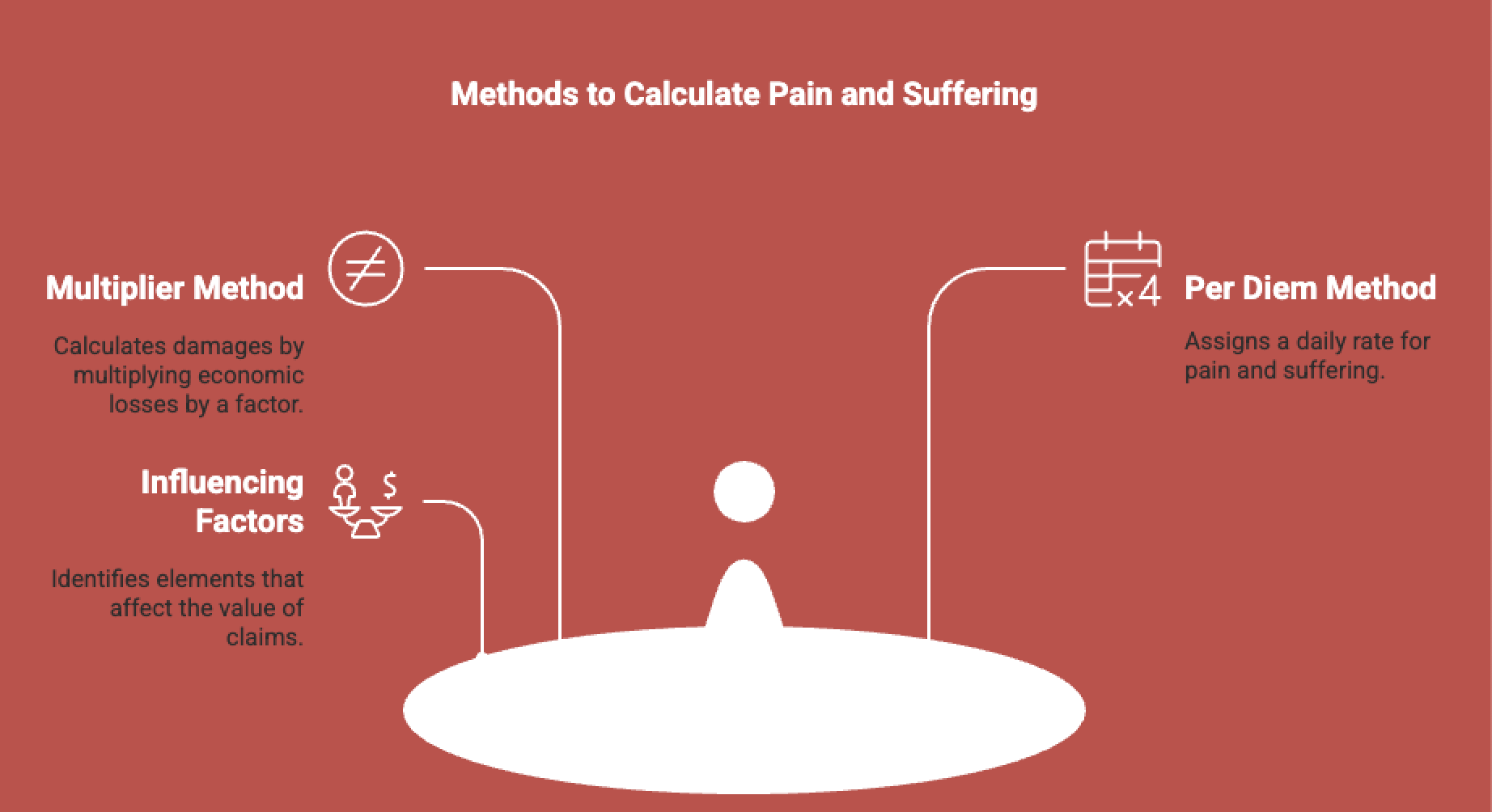
When pursuing a personal injury claim for broken bone injuries—especially from a car accident—calculating pain and suffering plays a major role in determining your total compensation. These non-economic damages reflect the physical pain, emotional distress, and overall impact on your quality of life. Here’s how to approach the calculation, using a standard settlement formula.
1. Basic Settlement Formula
Total Settlement = Economic Damages + Non-Economic Damages + Punitive Damages (if applicable)
1. Economic Damages (Tangible Financial Losses)
These are the verifiable costs directly tied to your injury:
Medical Expenses
Includes ER visits, surgeries, X-rays, casts, rehab, medications, future treatments
Lost Wages
Includes time missed from work during recovery, based on pay stubs or HR records
Loss of Earning Capacity
Includes long-term reduction in your ability to earn due to permanent injury
Property Damage
Includes damaged items like your car, phone, clothing, or gear during the accident
Tip: Save all receipts, medical bills, and repair estimates—these are essential for proving damages.
Example:
Medical expenses: $18,500
Lost wages: $4,000
Property damage: $3,500
Total Economic Damages = $18,500 + $4,000 + $3,500 = $26,000
2. Non-Economic Damages (Pain and Suffering)
This is where your broken bone pain gets valued. Non-economic damages compensate for things like:
- Physical pain and discomfort
- Emotional distress
- Loss of enjoyment of life
- Impact on daily activities
- Anxiety, PTSD, or depression resulting from the injury
Since there’s no receipt for pain, courts and insurers use two main methods:
A. Multiplier Method (Most Common for Broken Bones in Texas)
Multiply your economic damages by a factor based on severity and recovery time.
- Minor fracture: 1.5–2
- Moderate fracture with full recovery: 2–3
- Severe break requiring surgery and long-term rehab: 3–5+
Example:
Economic damages: $26,000
Multiplier: 2.5 (moderate to severe injury)
Non-Economic Damages = $26,000 × 2.5 = $65,000
B. Per Diem Method
Assign a daily dollar amount to your suffering (e.g., $150/day) and multiply by recovery days.
Example:
Daily rate: $150
Recovery time: 120 days
Non-Economic Damages = $150 × 120 = $18,000
Note: The multiplier method is more frequently used in car accident claims involving broken bones in Texas.
3. Punitive Damages (Rare but Possible)
These damages are not tied to your pain or loss—they’re awarded as punishment for extreme negligence (e.g., DUI, road rage, or intentional harm). Punitive damages must usually be decided in court.
Final Settlement Estimate (Using Multiplier Method)
Economic damages: $26,000
Non-economic damages (2.5×): $65,000
Estimated total settlement: $91,000
Punitive damages would be added separately if applicable.
Why Choose Titanium Personal Injury Law for Your Broken Bone Car Accident Case?
A broken bone from a car accident isn’t just painful—it’s expensive. Between emergency care, surgery, rehab, and time off work, even a “simple” fracture can cost tens of thousands of dollars. If the insurance company offers a quick settlement, it’s probably far less than your case is actually worth.
At Titanium Law, we help Texans understand and fight for the full value of their injury claims—including pain and suffering, long-term medical costs, and future lost income. No two cases are alike—and insurance companies know how to downplay the damage.
We don’t let that happen.
Titanium Law handles every part of your case, so you can focus on recovery:
- We calculate the true value of your claim—factoring in future care, surgeries, and reduced earning potential
- We push back against lowball offers and tactics designed to rush you into settling
- We manage the paperwork, deadlines, and legal details that can make or break your claim
- We move fast if your case is being delayed, denied, or disputed
If you’ve suffered a broken bone in a car crash—especially a serious fracture that required surgery or long recovery time—don’t guess at your claim’s value.
Get a free consultation with Titanium Law and find out exactly where you stand, with no pressure and no obligation.
We’re based in Katy and focused exclusively on Texas car accident cases. Whether your crash involved another vehicle, a commercial truck, or an uninsured driver, we’re ready to advocate for you.
Conclusion
Dealing with a broken bone after a car accident involves more than just medical recovery—it’s also about making sure you’re fairly compensated with settlement compensation. From the type and severity of the fracture to insurance coverage and the cost of medical treatment, many factors influence the value of your settlement. Having strong medical documentation, expert testimony, and an experienced personal injury lawyer can significantly strengthen your case.
While exact figures vary, being informed and supported gives you the best chance at full and fair compensation. Don’t rush the process—take the time to build a solid claim and let your legal team fight for what you’re truly owed.
Frequently Asked Questions
How long does it typically take to settle a broken bone claim?
Settlement timelines fluctuate depending on the complexity of the injury, insurance negotiations, and contested liability. Typical settlements may take several months to a year. Consultation with an attorney can help expedite the process.
Are settlements for broken bones in car accidents taxable?
Generally, compensation for physical injuries isn’t taxable. But if a portion of your settlement includes interest or is allocated for lost wages, it may be subject to taxes. Consult a tax professional or attorney for specific guidance.
Can I claim a settlement if partly at fault for the accident causing the injury?
Yes, under Pennsylvania’s modified comparative negligence rule, you’re eligible to receive compensation even if less than 51% at fault. However, your settlement will be reduced by your percentage of fault. An experienced attorney can help assess and negotiate your fault percentage.
What factors can potentially reduce my settlement amount?
Several factors might impact your settlement amount, including insurance policy limits, fault percentage, severity and type of fracture, medical treatment required, and the quality of legal representation.
How should I document my injuries and treatments for claim purposes?
Maintaining detailed records of treatment, including dates and types of treatment received, attending physician’s notes, radiology reports, surgical notes, physical therapy records, and medical bills, is crucial. These records validate your claim and help derive a fair settlement.
What is the role of a lawyer in increasing the settlement amount?
An experienced personal injury attorney can assist in gathering relevant evidence, dealing with insurance companies, evaluating comparative negligence, understanding insurance policy limits, and navigating legal complexities to pursue additional compensation. These measures collectively enable personal injury attorneys to play a crucial role in maximizing a settlement.